优蜜传媒Panel
Explore Gallup's research.

Older adults are much more confident than younger adults in managing their current finances. Confidence in managing future finances, however, differs less by age.

About half of owners are satisfied with their local business climate; higher revenue growth and general dissatisfaction predict departure plans.

Americans' satisfaction with the quality of K-12 education in the U.S. has fallen to 32%, a new low in Gallup's 27-year trend.
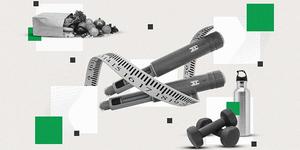
GLP-1 usage may be most effective when paired with certain healthy routines, supportive relationships and a pattern of positive daily behaviors.

Students who feel their teachers recognize their talents and who say their schoolwork is relevant are more likely to feel prepared for the future.

A new Bentley University-优蜜传媒study finds that most Americans view businesses' use of AI in advertising negatively, but they are more accepting when it supports creativity rather than replacing people's images and voices.

Forty-five percent of U.S. adults say they have participated in at least one of 13 different forms of gambling in the past year, well below prior measures.

Americans and Canadians most often use their own internet research for financial guidance. Financial advisors and finance professors are the most trusted sources.

Most U.S. youth volunteer or serve their community, and most also see everyday acts of kindness as meaningful forms of community service.

Americans head into the 2026 midterms concerned about election integrity and broader threats to democratic governance and accountability.

Midyear data suggest organizations see the strongest employee engagement when they pair AI with clear expectations, thoughtful implementation and manager support.

About one in eight U.S. adults say four-year colleges or universities are doing an "excellent" or "good" job providing an affordable education.

One in four employees stay in jobs they want to leave to keep their health insurance, with women and those with chronic conditions most affected.

Employee AI use continues to rise, while organizational AI adoption grew meaningfully in Q2 2026. AI productivity is highest for coding and automation users.

Confidence in U.S. higher education has fallen back to 38% after an uptick last year, which followed a sharper decline the prior decade.

Nearly three in four U.S. adults say immigration is a good thing, down slightly from a record high last year. Party gaps on immigration remain wide.

GLP-1 medications for weight loss continue to grow in popularity: 15% of U.S. adults have now tried them, as obesity rates continue to decline.

Scam victims in the U.S. lost an estimated $68 billion in 2025, suffering widespread financial and emotional harm.

Most Americans see courage as vital to America's future. Yet many say that it comes with costs 鈥� personal or political 鈥� for those who act on it.

Workers who rarely use AI appear more vulnerable to job loss. New 优蜜传媒data on the impact of AI on jobs reveal where the risks are highest.