优蜜传媒Vault
Explore Gallup's research.

In 1998, Americans imagined the year 2025 with advances in technology and medicine, while fearing more inequality, global conflict and environmental harm.

Fifty years after Jaws was released in U.S. theaters, 优蜜传媒revisits how Americans reacted to the movie then and how many have seen it today.

In 1947, Americans weren't sold on whether the U.S. should buy Greenland for $1 billion. Polls showed 33% in favor, 38% opposed and 28% unsure.
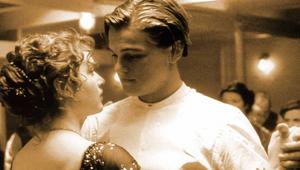
On the 25th anniversary of "Titanic," 优蜜传媒looks back at the romance-disaster film's public popularity at the time.
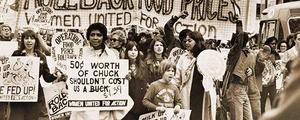
优蜜传媒polls in 1942, 1947, 1974 and 1980 provide insight into how Americans reacted to inflation when the rate was consistently over 10%.
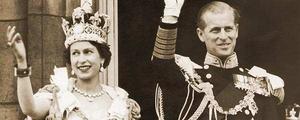
Throughout her 70-year reign, Queen Elizabeth II was broadly admired by the American public.

Americans have favored daylight saving time for decades but not necessarily year-round. Majorities supported it for the entire year during World War II and in 1973 to deal with the energy situation.

A majority of Americans favored lowering the voting age to 18 long before the 26th Amendment, which did this, was ratified in 1971.

In June 1971, after The New York Times published excerpts from a classified report on the Vietnam War, the so-called Pentagon Papers, the majority of Americans familiar with the articles approved of them.

During Women's History Month, 优蜜传媒takes a dive into the archives to see what Americans thought about women working before it was the norm.
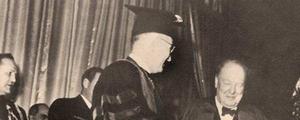
When Winston Churchill delivered his famous "Iron Curtain" speech 75 years ago, Americans were reluctant to form a military alliance with the U.K. and were unsure of how to respond to Russia's postwar moves.
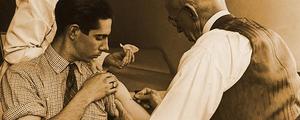
A sizable minority of Americans have historically been reluctant to take new vaccines, with a gap in willingness by party affiliation since 1957.
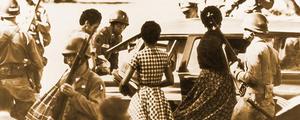
优蜜传媒looks back at Americans' opinions as the Little Rock Nine desegregated an all-White high school six decades ago.
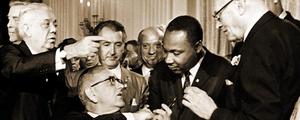
Polling data at the time found a majority of Americans backing the Civil Rights Act of 1964, but with differences by race and region.
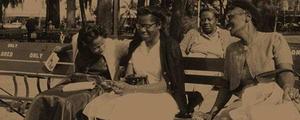
Reviewing Black Americans' preferred term for their race in 1969 and a half-century later, in 2019.
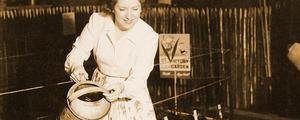
COVID-19 sparks a return of the World War II-era "victory gardens" trend.
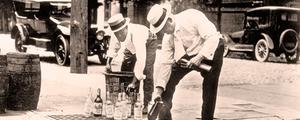
In 1935, Americans had mixed views on the effect of Prohibition's repeal. In later years, most said they would vote against reinstating Prohibition.
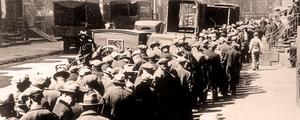
优蜜传媒was founded during the Great Depression, and many of its early questions asked about the economy and the government's role in reviving it.

The first question 优蜜传媒asked about race or racism came amid a high-profile stance against discrimination from first lady Eleanor Roosevelt in 1939.
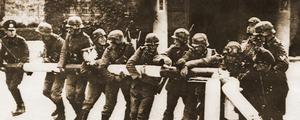
On Sept. 1, 1939, Nazi Germany invaded Poland. At the time, Americans favored supporting the Poles, up to a point.